
Why Willpower Isn’t Enough
What addiction does to the brain, and what recovery actually takes
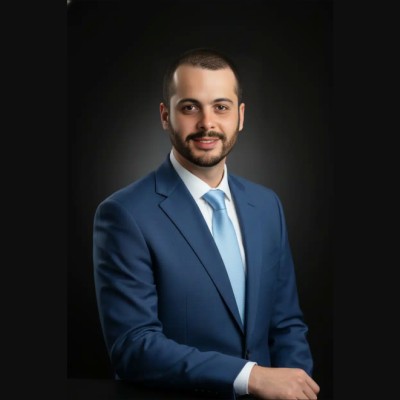
Eduardo Florez, LMHC #MH23066 · October 7, 2026 · 7-min read
Part of The ShieldMee Guide: Substance Use & Gambling →
You’ve tried to stop.
Maybe you’ve stopped a hundred times.
And every time you go back, the story you tell yourself gets more brutal: I’m weak. I have no discipline. I don’t want it badly enough.
That story is wrong.
Not because you’re off the hook, but because addiction changes the very parts of the brain you’d use to stop. Until you understand that, you’ll keep blaming yourself for losing a fight that was never fair.
Your brain on addiction
Your brain has a reward system that evolved to make you repeat things that keep you alive: eating, bonding, sex.
Alcohol and drugs flood that system with dopamine, far more than natural rewards do.
Then the brain adapts. It turns down its own sensitivity to cope with the flood.
Over time, you need more to feel the same effect. That’s tolerance.
Then you need it just to feel normal. That’s dependence.
Without it, you don’t feel neutral. You feel worse than before you ever started.
Researchers like George Koob, longtime director of the National Institute on Alcohol Abuse and Alcoholism, describe how the brain’s stress systems shift too. Eventually, many people aren’t using to feel good. They’re using to stop feeling terrible.
Why “just stop” doesn’t work
“Just stop” asks the part of your brain that plans and controls impulses to override the part that drives craving and survival.
In a healthy brain, the planning part often wins. With ongoing heavy use, that same planning part gets weaker.
The very tool you need to stop has been worn down by the thing you’re trying to stop.
That’s why choices in active addiction look irrational from the outside. They’re predictable, given what’s happened in the brain. It doesn’t mean you have no choice. It means the deck is stacked, and willpower alone is a bad strategy.
Before you quit: a safety note
Stopping alcohol, benzodiazepines (like Xanax or Klonopin), or opioids suddenly can be dangerous, and with alcohol and benzos, life-threatening.
Talk to a doctor before you stop. There are also medications that make recovery safer and more successful, such as buprenorphine or naltrexone, depending on the substance.
For free, confidential treatment referrals 24/7, call the SAMHSA National Helpline: 1-800-662-4357.
Tired of fighting this alone?
Use your insurance · see your cost before you book
The role of trauma and stress
Addiction rarely shows up alone.
The Adverse Childhood Experiences (ACE) study found that people with four or more hard childhood experiences, like abuse, neglect, or a parent with addiction, were about seven times more likely to develop alcoholism.
That doesn’t mean trauma guarantees addiction. But the link is strong and consistent.
Trauma keeps the nervous system on high alert. Always scanning. Never fully safe. Substances become a way to turn it down. Not a good solution, but one that works fast.
About half of people with a substance use problem also have another mental health condition: anxiety, depression, PTSD, ADHD. Treating both together isn’t optional. It’s common sense.
What recovery actually takes
Recovery isn’t just the absence of the substance. It’s rebuilding the brain and the life around it.
- Time for the brain to heal. The brain can recover, but it takes months. Early recovery is hard not because you’re doing it wrong, but because your brain hasn’t caught up yet.
- New ways to cope. The substance was solving a problem. Recovery means building something else that solves it: handling distress, managing emotions, and getting through hard moments without it.
- Treating what it was medicating. If the pain underneath, trauma, grief, shame, loneliness, stays untreated, the pressure to use finds a way back.
- People. Isolation feeds addiction. Recovery happens in relationship, because the brain’s reward system was built to respond to human connection.
If you love someone who’s using
Maybe this isn’t about you. Maybe it’s your partner, your parent, or your adult child.
You’ve tried pleading, threatening, covering for them, and pulling back. Nothing sticks.
You can’t make someone stop. But you can change how you respond, protect yourself, and make it more likely they’ll accept help.
Partners and families need support too. You can start on your own, or we can work as a couple.
What therapy looks like with me
I’ve worked in addiction treatment across multiple states, with people at every stage, including professionals in monitoring programs.
I treat the substance use and what’s underneath it together.
I’ll coordinate with your doctor, or help you find one, if you need medical support or medication.
No lectures. No shame. Just honest work on what’s actually keeping you stuck.
Learn more about addiction therapy at ShieldMee.
You might recognize yourself here
- You’ve promised yourself “never again” more times than you can count.
- You use to feel normal, not to feel good.
- You hide how much, or how often.
- The people you love have stopped believing you.
- You’re a professional in a monitoring program and want real help, not just compliance.
Who this work is for
- Adults struggling with alcohol, drugs, or other compulsive use
- People with both addiction and anxiety, depression, or trauma
- Licensed professionals in monitoring programs
- Partners and families of someone who’s using
Who this isn’t for
If you need medical detox or are at risk of dangerous withdrawal, start with medical care. Call the SAMHSA Helpline at 1-800-662-4357 for referrals.
If you are in immediate danger or thinking about suicide, call or text 988, or call 911.
I work with adults. Sessions must take place while you are physically located in Florida.
Start with what’s true for you
You don’t have to know what to say.
You can start with one sentence:
“I can’t stop on my own.”
We can start there.
In-network with Aetna, Cigna, Florida Blue, UnitedHealthcare and more through Headway · 53-minute sessions
Telehealth anywhere in Florida · English / Español
In crisis? Call or text 988.
Frequently asked questions
Do I have to be sober to start therapy?
No. Many people start while they’re still using. We’ll talk honestly about where you are and what level of care makes sense.
Do you provide detox?
No. Detox is medical care. If you need it, I’ll help you find it, and we can work together after.
Do you work with professionals in monitoring programs?
Yes. I work with licensed professionals in monitoring programs, and I understand the requirements.
Can my partner or family come too?
Yes. Addiction affects everyone close to it, and family or couples sessions can help.
Do you offer therapy in Spanish?
Yes. Sessions can be in Spanish, English, or both.
Do you take insurance?
Yes. I’m in-network with Aetna, Cigna, Florida Blue, UnitedHealthcare, Oscar, and other plans through Headway. Check your coverage and see your cost before you book.
When can I start?
Appointments are generally available the next day or within the same week, every day except Saturday.
Eduardo Florez, LMHC
Eduardo Florez, LMHC, has worked across forensic, institutional and private practice settings. He is the founder and clinical director of ShieldMee, a Florida nonprofit telehealth practice, and works bilingually with couples in crisis and clients for whom therapy hasn’t worked before.
Related reading: Addiction Therapy · Court-Ordered Therapy · What Is DBT?
Ready to talk to someone?
ShieldMee offers telehealth therapy across Florida for individuals, couples, and families. Insurance accepted through Headway.
Start TherapyWith insurance, most clients pay $20 or less per session. You’ll see your exact cost before you book. Private pay: individual from $125, couples and family $188.
If you're in crisis, call or text 988 any time.